Common pruning mistakes local Rotherhithe gardeners avoid
If you have ever stood in the garden with secateurs in hand, staring at a shrub and thinking, "Am I about to help this plant or ruin it?", you are in good company. Pruning looks simple on the surface, but in practice it is one of those jobs where a small mistake can set a plant back for months. This guide on Common pruning mistakes local Rotherhithe gardeners avoid explains what goes wrong, why it matters in a busy London garden, and how to prune with more confidence and less guesswork.
Rotherhithe gardens often juggle narrow spaces, shaded corners, mature shrubs, fences, decks, and neighbours close by. That changes the way pruning should be approached. Get it wrong and you can damage flowering wood, open plants to disease, or turn a tidy hedge into a lopsided headache. Get it right and everything looks calmer, healthier, and easier to maintain. Simple enough, really. Not always easy.
Table of Contents
- Why Common pruning mistakes local Rotherhithe gardeners avoid Matters
- How Common pruning mistakes local Rotherhithe gardeners avoid Works
- Key Benefits and Practical Advantages
- Who This Is For and When It Makes Sense
- Step-by-Step Guidance
- Expert Tips for Better Results
- Common Mistakes to Avoid
- Tools, Resources and Recommendations
- Law, Compliance, Standards, or Best Practice
- Options, Methods, or Comparison Table
- Case Study or Real-World Example
- Practical Checklist
- Conclusion
- Frequently Asked Questions
Why Common pruning mistakes local Rotherhithe gardeners avoid Matters
Pruning is not just about making things look neat. It shapes how a plant grows, how much light reaches it, how much air moves through the branches, and even how well it flowers or fruits. In a place like Rotherhithe, where many gardens are compact and bordered by walls, sheds, decking, and shared boundaries, pruning mistakes tend to show up quickly. A plant that is overcut can become sparse and stressed. A hedge trimmed at the wrong time can lose its shape for an entire season. A tree cut carelessly can throw up weak regrowth that needs even more work later.
There is also the everyday reality of London garden life. Windy corners, shaded beds, and heavy seasonal growth mean pruning is often part of wider garden maintenance rather than a once-a-year tidy-up. If you are already keeping on top of lawn mowing, hedge trimming, and general garden maintenance, pruning has to fit into a sensible routine. Otherwise it becomes one of those jobs you keep postponing until everything feels a bit wild.
For local homeowners, landlords, and busy renters, the value is straightforward: avoid waste, avoid damage, and avoid extra cost. A careful cut now is usually cheaper than trying to rescue a plant later. Truth be told, the rescue job is rarely as cheerful as the original tidy-up.
How Common pruning mistakes local Rotherhithe gardeners avoid Works
Good pruning follows a few simple principles. You remove the right material, at the right time, using clean tools, and with a clear purpose. That may mean lifting low growth for structure, thinning congested stems to improve airflow, or reducing a hedge just enough to keep it dense without stripping it bare.
Most mistakes happen when one of those parts is missing. People cut because a plant looks untidy, not because they have a proper reason. They prune in the wrong season, use blunt tools, or take off too much in one go. Sometimes they trim back to the same line every year until the plant becomes a woody shell with a thin green edge. You will see this a lot with hedges and shrubs that have been "kept neat" for years, but not really maintained.
In practical terms, pruning works best when you think in layers:
- First layer: remove dead, diseased, or damaged material.
- Second layer: reduce crossing, rubbing, or congested stems.
- Third layer: shape the plant to suit its natural growth habit.
That last point matters more than people think. Plants are not all meant to be forced into the same outline. Some tolerate hard cutting well. Others respond much better to light, regular trimming. If you are unsure, it is usually safer to make smaller cuts and observe the plant's response over a season or two.
Key Benefits and Practical Advantages
When pruning is done properly, the benefits are visible fairly quickly. Leaves look fresher, flowering improves, and the garden feels better balanced. In a smaller urban plot, that can make the whole space seem larger and calmer. Less tangled growth also means fewer hidden pockets where pests, mildew, and general mess can linger.
Here are the main practical advantages local gardeners care about:
- Healthier plants: better airflow and less damaged growth reduce stress.
- Cleaner appearance: a measured shape looks cared for without looking overworked.
- Safer paths and access: overhanging branches and awkward growth are less likely to interfere with movement.
- Less future work: regular pruning avoids drastic cuts later.
- Better garden design: well-pruned plants sit more naturally alongside decking, borders, and lawn areas.
There is a practical knock-on effect too. Gardens that are well maintained are easier to keep in shape. That is why pruning often sits alongside ongoing garden maintenance rather than being treated as a separate emergency task. Small, steady intervention beats a big weekend clean-up most of the time.
Expert summary: the aim is not to cut more. The aim is to cut better. That one shift in mindset saves a lot of regret later.
Who This Is For and When It Makes Sense
This topic matters to anyone managing shrubs, hedges, climbers, small trees, or ornamental plants in Rotherhithe. That includes homeowners with compact terraces, balcony-adjacent planting, communal gardens, and larger back gardens where structure matters just as much as colour.
It is especially relevant if you:
- have overgrown shrubs that are starting to block light;
- need a hedge to stay dense rather than bald and leggy;
- want flowering shrubs to keep producing blooms;
- have plants growing close to a fence, path, or deck;
- are trying to tidy the garden before spring or late summer;
- have inherited a garden that has been pruned badly in the past.
There are also times when pruning makes more sense than a heavier reset. If you are dealing with a garden that has simply got out of hand, a more structured tidy-up or garden clearance may be the better first step before delicate pruning begins. That is often the honest answer, even if it is not the glamorous one.
For larger woody growth, or where branches are awkward, high, or close to structures, a specialist approach is safer. In those situations, tree lopping and removal services can be more appropriate than trying to solve the problem with a pair of hedge shears and optimism.
Step-by-Step Guidance
If you want to avoid the most common pruning errors, use a simple process. This is not about being fancy. It is about being systematic.
1. Identify the plant and its growth habit
Before you cut anything, work out what you are dealing with. Is it a flowering shrub, a hedge, a climber, a fruiting plant, or a young tree? Different plants respond differently to pruning. A hydrangea, for example, should not be treated the same way as a vigorous hedge. If you are unsure, pause. That little pause saves a lot of damage.
2. Check the timing
Timing is where many local gardeners slip up. Some plants prefer light pruning after flowering. Others are best done in late winter or early spring when they are dormant. Cutting at the wrong time can remove buds or stress new growth. The rule of thumb: prune with purpose, not because the weekend is free.
3. Inspect for dead, damaged, or diseased material
Start with the obvious stuff. Remove broken stems, dead tips, and anything that looks unhealthy. This is the most defensible part of pruning because it improves the plant without forcing shape too early.
4. Thin congestion before shaping
If stems are crossing, rubbing, or packed too closely together, clear some of them out. This opens the centre, improves airflow, and gives the remaining growth room to breathe. In damp or shaded Rotherhithe gardens, that airflow matters more than people expect.
5. Shape lightly and step back often
Take a little, then step back. Seriously. It is amazing how easy it is to overcut when you are standing too close. A few steps away gives you the real shape of the plant. This is especially useful with hedges and topiary where one hasty snip can make the outline look oddly flat on one side.
6. Clean up and monitor
Remove debris, check tool edges, and watch how the plant responds over the next few weeks. If you have made the right cuts, you will usually see steady regrowth and a cleaner structure. If not, well, plants have a way of telling you quite plainly.
Expert Tips for Better Results
Experience teaches you a few things that do not always make it into basic gardening guides. Here are some of the more useful ones.
Prune to improve structure, not just appearance. A plant can look neat on the day and still be unhealthy underneath. If the interior is crowded or dead wood is building up, the surface tidy-up will not last long.
Use the plant's natural shape as a guide. Not every shrub should be turned into a geometric object. A softer outline often ages better and needs less correction.
Keep hedge cuts slightly wider at the base. This helps light reach lower growth. It is a small detail, but it makes a big difference over time, especially for formal hedging.
Watch for stress signals. Wilting, scorched edges, or weak regrowth after pruning can suggest the plant was cut too hard or at the wrong moment.
Plan around the weather. A dry, mild day is generally easier to work on than a cold, soaking afternoon. Your tools behave better too, which is no small thing when your hands are already half numb.
One more thing. If a plant has grown into a fence, deck edge, or hard landscape, pruning alone may not solve the underlying layout problem. In those cases, coordinated changes through landscape gardening or broader landscaping can make long-term maintenance much easier.
Common Mistakes to Avoid
This is the section that saves people the most pain. These are the pruning mistakes local Rotherhithe gardeners tend to avoid because the consequences are so obvious once you have seen them.
| Mistake | What usually happens | Better approach |
|---|---|---|
| Cutting too much at once | Plant becomes stressed, bare, or slow to recover | Take smaller amounts and review as you go |
| Pruning at the wrong time | Flower buds are lost or new growth is damaged | Match the timing to the plant's cycle |
| Using blunt or dirty tools | Ragged cuts and higher risk of spreading disease | Keep tools sharp and clean |
| Ignoring dead or crossing stems | Congestion builds up and the plant weakens | Clear out the problem growth first |
| Shearing everything into a flat shape | Hedges and shrubs lose density over time | Preserve natural form where possible |
| Forcing one rule on every plant | Some species are damaged by heavy pruning | Check species needs before cutting |
Two mistakes deserve extra emphasis. First, over-pruning. It often comes from enthusiasm, and to be fair, enthusiasm is not the worst problem to have. But plants need foliage to feed themselves. Remove too much and the plant spends its energy recovering rather than growing well.
Second, topping trees or chopping hedge plants back to bare stems because they look "too big". That can trigger weak, unattractive regrowth and long-term structural problems. If a plant is simply too far gone, a targeted alternative may be better than repeated hard cuts. Sometimes the brave choice is the boring one.
Tools, Resources and Recommendations
You do not need a shed full of expensive gear to prune well, but you do need the right basics. Good tools make cleaner cuts, reduce effort, and help you work more safely.
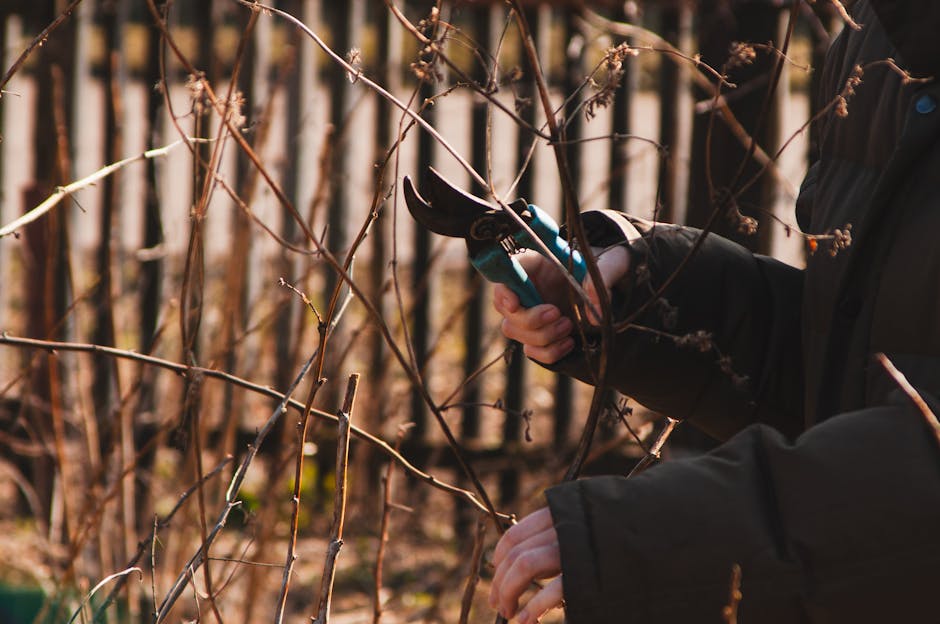
- Hand secateurs: for small stems and precise cuts.
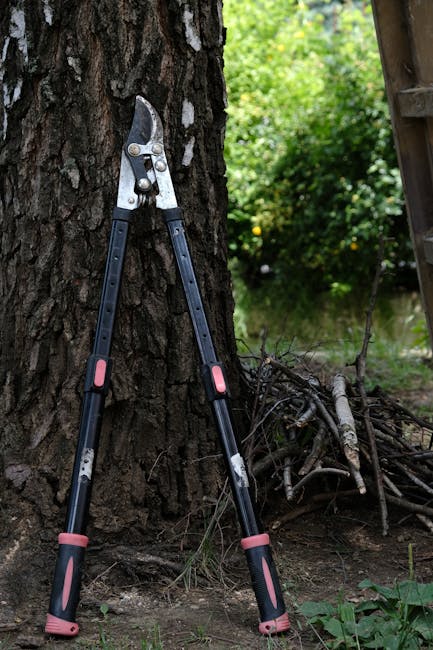
- Loppers: for thicker branches that are too heavy for secateurs.
- Pruning saw: for woody material that resists hand tools.
- Gloves: useful for protection, grip, and handling thorny plants.
- Disinfectant or cleaning solution: helps keep blades clean between plants.
- Eye protection: sensible for overhead or twiggy growth.
It also helps to have a garden waste plan. Pruned material adds up quickly, especially after hedge work or shrub reshaping. If you have a larger amount of cuttings, garden clearance support can save time and keep the space usable while you reset the borders.
For ongoing upkeep, regular garden maintenance usually beats one-off rescue work. That is true in most gardens, but especially in tighter urban plots where growth seems to appear overnight after a bit of rain.
If you are planning work that also affects decking, edges, or structural features in the garden, it may be worth looking at decking services as part of the overall layout conversation. Plants and hard surfaces need to work together, not fight each other for space.
Law, Compliance, Standards, or Best Practice
For most domestic gardens, pruning is governed more by sensible best practice than by complicated rules. Still, there are some expectations worth keeping in mind. If branches overhang a shared boundary, it is usually wise to work carefully and consider neighbourly impact. If you are pruning near a public path, road, or access point, make sure the work does not create hazards or obstruct movement.
Where trees are involved, especially larger specimens, caution matters. Some work may need more thought than a standard tidy-up, particularly if the tree is near buildings, fences, or utility features. In practice, if the branch is large, high, or awkwardly placed, it is better to seek a professional view than to guess. Guessing is expensive. And a bit dramatic.
Safety is part of best practice too. Use stable footing, avoid overreaching, and never rush through ladder work just to finish the job. A careful approach aligns with normal UK garden maintenance expectations and with general health and safety good sense. If you are hiring help, it is reasonable to ask about insurance and safety before work begins.
For service information, pricing clarity, and what to expect from an established local provider, the services overview and pricing and quotes pages are a practical starting point. It keeps the conversation grounded, which is usually a good thing.
Options, Methods, or Comparison Table
There is no single pruning method that suits every garden. The right choice depends on the plant, the season, and how much work the garden needs overall. This simple comparison should help.
| Method | Best for | Main benefit | Main risk |
|---|---|---|---|
| Light maintenance pruning | Healthy shrubs, young growth, regular upkeep | Keeps shape and encourages balanced growth | Can be too timid if the plant is congested |
| Selective thinning | Dense shrubs, mixed planting, older growth | Improves airflow and structure | May look uneven if done without a plan |
| Hedge trimming | Formal boundaries and privacy planting | Maintains a crisp outline | Over-shearing can strip density |
| Hard pruning | Some vigorous species, renewal work | Resets overgrown plants | Can shock unsuitable species |
| Tree pruning or removal | Large woody growth, safety concerns | Addresses structure and risk | Needs extra caution and judgement |
For many local gardens, hedge trimming is the most visible form of pruning because it directly affects privacy and kerb appeal. If that is your main need, a dedicated hedge trimming approach is often more appropriate than trying to solve everything with general cuts.
If the garden is especially congested or has years of build-up, a broader tidy-up followed by pruning is often the best route. That sequence is slower at the start, but much cleaner in the end.
Case Study or Real-World Example
Picture a typical Rotherhithe back garden on a mild spring morning. There is a narrow lawn, a small paved area, a couple of mature shrubs near the fence, and a hedge that has crept a little wider every year. Nothing dramatic. Just the usual quiet accumulation of growth. By the time the owner notices, the centre of the shrub is dense, the hedge is shading the border, and the lower stems have started to thin out.
The first instinct is often to cut everything back hard. It feels decisive. It looks decisive. But that is exactly where trouble starts. A better approach is slower: remove dead stems, thin the crowded centre, reduce the hedge just enough to restore light, and leave enough foliage for the plant to keep working properly. The result may not look wildly different on day one, but it settles better and holds its shape longer.
In that sort of garden, the win is not perfection. It is balance. The plants breathe a bit easier, the space feels brighter, and the owner is not back out there three weeks later regretting a heroic haircut. I have seen that look before. Usually around the point of "well, I only took a bit off".
One especially useful lesson from this kind of job is that pruning is rarely isolated. Once the overgrowth is under control, the rest of the garden becomes easier to manage. Lawn edges are simpler, borders are clearer, and maintenance starts feeling possible again rather than endless.
Practical Checklist
Before you prune, run through this quick checklist. It keeps the job grounded and helps you avoid the classic mistakes.
- Have I identified the plant correctly?
- Do I know the best season for this cut?
- Are my tools sharp, clean, and suitable?
- Am I removing dead, damaged, or diseased growth first?
- Is there any crossing or congested material to thin out?
- Am I taking off too much at once?
- Have I stepped back to check the shape from a distance?
- Could this plant need a gentler approach than I first thought?
- Is there any risk from height, heaviness, or awkward positioning?
- Do I have a plan for collecting and disposing of the cuttings?
For a quick visual reminder, here is the shortest version: identify, inspect, cut lightly, step back, and tidy up. That alone prevents a surprising number of problems.
Conclusion
The best pruning is rarely the most dramatic. It is the pruning that respects the plant, fits the season, and leaves the garden healthier than it was before. In Rotherhithe, where space is often tight and every border matters, that careful approach pays off quickly. You get better structure, less stress on the plants, and a garden that feels easier to live with day to day.
If there is one thing to remember, it is this: prune with a reason, not just with enthusiasm. That one habit helps local gardeners avoid the mistakes that lead to bare stems, weak regrowth, and unnecessary work later on. Small cuts. Clean tools. A bit of patience. Honestly, that is most of it.
Get a free quote today and see how much you can save.
And if your garden feels a little untidy right now, that is fine. Most good gardens start with a few imperfect seasons and a bit of honest attention. You are not behind; you are just at the part where it starts to get better.
Frequently Asked Questions
What are the most common pruning mistakes in small London gardens?
The most common mistakes are cutting too much at once, pruning at the wrong time of year, using blunt tools, and trying to force every plant into the same shape. In small London gardens, over-pruning is especially noticeable because plants are often close to walls, fences, and seating areas, so mistakes show quickly.
When is the best time to prune shrubs in Rotherhithe?
That depends on the plant. Many shrubs do best with light pruning after flowering, while others prefer late winter or early spring work. If you do not know the species, it is safer to prune lightly and avoid heavy cuts until you are sure of the growth pattern.
How much can I safely cut back at once?
There is no single rule for every plant, but smaller cuts are usually safer than large reductions. If a plant is badly overgrown, it may need staged pruning across more than one season. That approach often gives better recovery than one hard cut.
Should I prune hedges differently from shrubs?
Yes. Hedges are usually trimmed to maintain a clear outline and density, while shrubs are often pruned more selectively to preserve shape and health. A hedge trim is about consistency; shrub pruning is more about structure and plant health.
What tools do I need for basic pruning?
For most gardens, you will want secateurs, loppers, a pruning saw, gloves, and something to clean the blades. Sharp tools make cleaner cuts and reduce damage. If you only have one decent tool, make it the secateurs.
Can pruning help an overgrown garden look better quickly?
Yes, but only if it is done carefully. Removing dead wood, thinning congested growth, and shaping lightly can make a big visual difference. If the garden is very overgrown, though, pruning may need to be paired with garden clearance first.
Is hard pruning always bad?
No, not always. Some vigorous plants tolerate hard pruning well, especially when they need renewal. The problem is doing it to the wrong plant or at the wrong time. That is where trouble starts.
How do I know if a plant has been over-pruned?
Signs include sparse growth, lots of bare stems, slow recovery, and weak regrowth from awkward points. The plant may also look unnaturally flat or unbalanced. Sometimes the damage only becomes obvious a few weeks later.
Do I need a professional for pruning work?
Not always. Many shrubs and hedges can be managed by a careful homeowner. But if the plant is large, near structures, high up, or possibly unsafe, it is wise to get professional help. Safety and insurance matter when the work gets more complicated.
How often should pruning be part of garden maintenance?
For many gardens, light pruning works best as part of regular maintenance rather than as a rare big job. The exact frequency depends on plant type and growth rate, but keeping on top of small cuts is usually easier than waiting for a major tidy-up.
What should I do with the cuttings after pruning?
Small amounts can often be bagged for green waste if that is your normal setup. Larger piles from hedge or shrub work may need a more organised disposal plan. If you have a lot of material, garden clearance can save time and keep the space usable.
Are there any safety issues I should think about before pruning?
Yes. Watch for unstable footing, awkward reach, heavy branches, and nearby hard surfaces. Use gloves and eye protection where sensible, and be careful with ladders. If the job feels awkward or risky, it probably is.