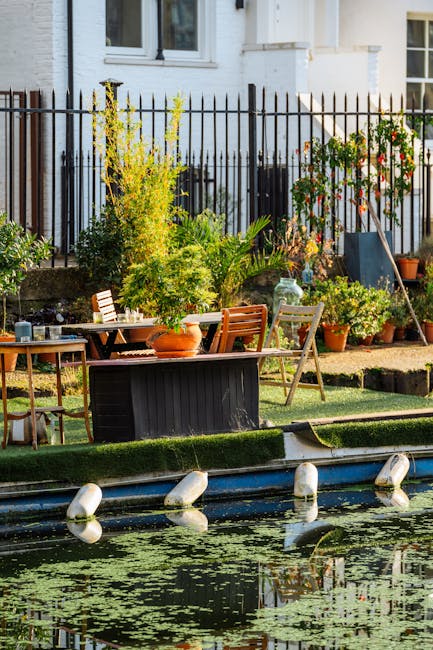
Rotherhithe Station garden maintenance quotes for landlords: a practical guide
If you are a landlord near Rotherhithe Station, garden upkeep can slip down the list until a tenant moves out, a viewing is booked, or the front garden starts looking a bit tired. Then it becomes urgent. Getting Rotherhithe Station garden maintenance quotes for landlords is not just about finding the lowest price; it is about keeping a rental property presentable, manageable, and easy to let again. In a busy London patch, that matters more than people sometimes admit.
This guide walks through how quotes usually work, what should be included, what can go wrong, and how to compare options without getting lost in jargon. It also covers useful next steps, simple compliance points, and the sort of practical details that save time later. To be fair, that is usually where the real value is.
Table of Contents
- Why Rotherhithe Station garden maintenance quotes for landlords matters
- How Rotherhithe Station garden maintenance quotes for landlords works
- Key benefits and practical advantages
- Who this is for and when it makes sense
- Step-by-step guidance
- Expert tips for better results
- Common mistakes to avoid
- Tools, resources and recommendations
- Law, compliance, standards, or best practice
- Options, methods, or comparison table
- Case study or real-world example
- Practical checklist
- Conclusion
- Frequently Asked Questions
Why Rotherhithe Station garden maintenance quotes for landlords Matters
For landlords, garden maintenance is rarely just "nice to have". A small outdoor space can shape first impressions, tenant satisfaction, and even how quickly a property is re-let. Around Rotherhithe Station, where many homes are close to transport links and tenants expect a tidy, low-fuss rental, an overgrown garden can make a property feel neglected even if the interior is spotless.
Quotes matter because they help you understand more than cost. A proper quote should tell you what is being maintained, how often work will happen, and whether the job covers the basics such as lawn cutting, hedge trimming, clearing waste, and seasonal tidying. If those details are vague, you often end up paying for surprise extras later. Not ideal. Nobody likes a "small additional charge" showing up out of nowhere.
There is also a timing issue. Landlords do not always need the same type of work every month. Sometimes you need a one-off tidy after a tenancy ends, and sometimes you need ongoing upkeep to keep communal or private gardens in good shape. Getting a quote that matches the property's real use is what stops the work becoming messy, both literally and administratively.
If you want a broader picture of the services that usually sit behind a quote, it helps to look at the provider's services overview and the specific tasks included in garden maintenance. That gives you a clearer sense of what you are actually paying for.
How Rotherhithe Station garden maintenance quotes for landlords Works
Most garden maintenance quotes start with a short review of the property and the work needed. That may happen through photos, a brief phone call, or a visit if the garden is larger or more complicated. For rental properties, the quote should reflect not just the current condition, but the frequency needed to keep it rentable.
In practice, a solid quote usually looks at a few core factors:
- Garden size and layout
- Current condition of lawn, borders, hedges, trees, decking, and hard surfaces
- Access, such as side gates, rear access, or shared entrances
- Frequency of visits: weekly, fortnightly, monthly, or seasonal
- Waste removal and green waste handling
- Special tasks like clearance, pruning, or repairs to damaged areas
For landlords, one of the key decisions is whether you need ongoing maintenance or just a reset. A garden that has become unmanaged after a long void period may need clearance first, then a regular plan after that. In that situation, a separate garden clearance quote often makes sense before any maintenance schedule begins.
It is also worth remembering that not every provider prices the same way. Some quote per visit. Others offer a monthly maintenance arrangement. Some bundle mowing, edging, and light weeding together, while others charge separately for each task. Ask what is included, what is not, and what triggers extra costs. You will save yourself a headache later on.
Key Benefits and Practical Advantages
There are obvious benefits to keeping a rental garden under control, but there are also quieter ones that landlords only notice once they have been burned by the opposite. A neat garden can reduce avoidable complaints, improve tenant care of the outdoor space, and help a property show better during viewings. It also makes routine inspections easier, which sounds small until you are standing in the rain trying to judge whether the ivy has taken over the fence.
Here are some of the biggest practical advantages:
- Better presentation for viewings, renewals, and inspections
- Less reactive spending because the garden does not spiral into a major job
- Improved tenant experience, especially in homes with families or shared outdoor areas
- Cleaner handovers between tenancies
- Reduced risk of boundary issues caused by unchecked hedges or branches
- More predictable budgeting when work is quoted as a plan rather than as emergency call-outs
There is also a reputation angle. If a landlord manages several properties around London, each outdoor space contributes to the overall impression of how the portfolio is cared for. That does not mean every garden needs to look like a showpiece. Far from it. It just needs to look maintained, safe, and intentional.
Expert summary: The best garden maintenance quote is not the cheapest one on paper. It is the one that clearly sets out scope, frequency, waste handling, and expectations, so the property stays presentable without constant chasing.
Who This Is For and When It Makes Sense
This topic is most relevant for private landlords, portfolio landlords, letting agents, and property managers who are responsible for gardens near Rotherhithe Station. It also applies if you manage a flat with a shared outdoor area, a small house with a rear garden, or a property that needs frequent seasonal tidying because of mature shrubs or fast-growing grass.
It makes particular sense in these situations:
- A tenancy has ended and the garden needs a reset before the next let
- You manage a property that tenants are expected to keep tidy, but the garden keeps slipping
- The outdoor space is part of the rental appeal and needs regular presentation
- The property includes hedges, climbers, or trees that need periodic attention
- You want to reduce the risk of disputes over garden condition at check-out
Sometimes landlords assume a once-a-season visit is enough. Sometimes it is. But if a garden is exposed, shaded, or simply a bit of a grower, once a season may be too light. A better quote will tell you that honestly, rather than pretending one visit in spring will somehow sort the rest of the year. Nature, annoyingly, does not read the schedule.
If hedges are part of the problem, a quote tied to hedge trimming can be useful because hedges often drive the workload more than lawns do. If the property also needs periodic lawn attention, lawn mowing may need to be built into the routine.
Step-by-Step Guidance
If you want better quotes, give providers better information. It is that simple, really. A short but clear request tends to produce a much more useful response.
- Describe the property
Include the type of garden, approximate size, access details, and whether the space is private, shared, or front and back.
- State the goal
Are you looking for a one-off tidy, a post-tenancy reset, or a regular maintenance plan? Those are different jobs and should not be priced as if they are the same.
- List the main tasks
For example: lawn cutting, border weeding, hedge trimming, leaf removal, pruning, waste bagging, or light pressure-cleaning around paths.
- Share the current condition
If the garden is overgrown, say so. If there is decking, broken fencing, or self-seeded growth, mention it early. It avoids surprises.
- Ask what the quote includes
Check whether the price covers labour only, labour plus waste disposal, or all materials and disposal.
- Compare like for like
Do not compare a quote for "weekly maintenance" with another quote that only covers a one-off tidy. Different thing entirely.
- Agree a review point
For regular work, a 3-month or seasonal review can be sensible. That way you can adjust the plan if the garden grows faster than expected.
As a rule, the clearer the brief, the easier it is to control cost and quality. A landlord who sends photos plus a simple task list usually gets a much better result than one who asks for "just a quick tidy" and hopes everyone interprets that the same way.
Expert Tips for Better Results
Over time, the best outcomes tend to come from a few practical habits. Nothing glamorous. Just sensible management.
- Use seasonal thinking - spring and early summer often need more frequent visits than late winter.
- Bundle related work - if hedges, lawns, and clearance are all needed, ask how the contractor would sequence them for better value.
- Ask for a maintenance rhythm - regular intervals often keep costs steadier than emergency catch-up work.
- Be realistic about the budget - a tiny quote for a heavily overgrown garden is usually a warning sign, not a bargain.
- Check waste handling up front - green waste can take time and effort to remove, and that should be clear in the price.
If the property has more complex outdoor features, you may also need help beyond basic tidying. For instance, a damaged deck edge, slippery surface, or tired outdoor seating area might make it worth reviewing decking services alongside the maintenance plan. Small issues have a way of growing legs, or at least getting worse in wet weather.
One more thing: ask how the provider handles weather delays. In London, a rainy week can knock schedules around. A dependable contractor should be honest about that, not act as if every job can happen exactly on the dot come hail or shine.
Common Mistakes to Avoid
Landlords often make garden maintenance harder than it needs to be, usually for understandable reasons. Busy portfolio, tenant turnover, and a dozen other tasks. Still, a few mistakes come up again and again.
- Choosing only on price - the cheapest quote may exclude waste removal or key tasks.
- Not defining the scope - "general maintenance" can mean very different things to different people.
- Skipping access details - blocked side gates, locked communal areas, and awkward entry points affect labour time.
- Ignoring seasonal growth - a garden that looks fine in February can become a different beast by June.
- Leaving clearance until the last minute - once a garden gets overgrown, maintenance alone may not be enough.
- Forgetting the tenancy cycle - a property can need more attention at changeover than during stable occupancy.
There is also a softer mistake: assuming the tenant will always maintain the outdoor space to the same standard you would. In reality, some will do a decent job, some will do a patchy one, and some will clearly think grass is an optional feature. A regular quote helps you plan for real-world behaviour, not ideal behaviour.
Tools, Resources and Recommendations
You do not need a big toolkit to manage garden quotes well, but a few simple resources help a lot.
- Property photos taken in daylight, ideally from the same angles each time
- Basic site notes covering access, waste storage, and any shared areas
- A maintenance log showing dates, works completed, and any issues raised
- A seasonal schedule that notes when growth usually speeds up
- A comparison sheet for recording scope, price, frequency, and inclusions
If you are comparing ongoing upkeep with a one-off tidy-up, it can help to review the provider's pricing and quotes information first. That often makes the quotation process feel less random, which is welcome because nobody enjoys comparing apples, pears, and a half-eaten orange.
For landlords who care about general presentation across several outside areas, it may also be worth looking at landscape gardening or landscaping if the space needs more than routine maintenance. Sometimes a small redesign or simplification makes the upkeep much easier. And cheaper, over time.
Law, Compliance, Standards, or Best Practice
This is the section people tend to skim. Fair enough. But for landlords, outdoor maintenance does touch on safety and responsibility, so it is worth handling properly.
At a practical level, landlords should make sure garden work does not create avoidable hazards. That means keeping paths reasonably clear, dealing with overgrowth that blocks access or visibility, and being cautious about anything sharp, unstable, or rotten. If a tree or large branch looks risky, it should not be treated like a normal mowing job. A specialist approach is usually more appropriate, which is where tree lopping and removal may come into the conversation.
From a best-practice point of view, it helps to:
- Keep records of maintenance visits and any issues noted
- Use contractors who are properly insured and work safely
- Separate routine gardening from larger remedial work
- Make clear who is responsible for what in the tenancy agreement and property management process
It is also sensible to think about waste and sustainability. Garden waste should be handled responsibly, and where possible green waste should be reduced, reused, or recycled in line with the provider's process. You can see how a contractor approaches this through their recycling and sustainability information.
If you are using a contractor regularly, ask about insurance and safe working practices. A professional approach should feel calm and straightforward, not vague or rushed. The same goes for payment handling. Clear invoicing, secure payment methods, and written terms are boring in the best possible way. It means fewer disputes later.
Options, Methods, or Comparison Table
Different properties need different kinds of support. Here is a simple comparison to help landlords decide what kind of quote makes sense.
| Option | Best for | Typical scope | When it works well |
|---|---|---|---|
| One-off tidy | End of tenancy, pre-viewing, post-gap between lets | Cut back, clear, neaten, remove waste | When the garden has been neglected and needs a reset |
| Regular maintenance | Occupied rentals and shared outdoor spaces | Scheduled mowing, weeding, trimming, light clearing | When presentation needs to stay consistent |
| Seasonal visits | Smaller gardens with slower growth | Spring clean-up, summer cutback, autumn leaf clearance | When the property only needs periodic attention |
| Clearance plus maintenance | Overgrown gardens or new tenancies | Initial clearance followed by ongoing visits | When the site needs a fresh start first |
In real life, many landlords end up using a mix of these. For example, a garden may need a one-off clearance now, then a lighter ongoing visit every four to six weeks. That blended approach often feels more realistic than trying to force everything into a neat monthly package.
Case Study or Real-World Example
Here is a typical scenario, stripped back but realistic. A landlord with a small rear garden near Rotherhithe Station had a tenant move out in late summer. The lawn had gone patchy, the hedge had pushed out into the path, and the borders had filled with weeds after a few busy months. Nothing dramatic, just the kind of slow drift that happens when everybody is looking elsewhere.
The first quote assumed only light maintenance. It was too optimistic. After a better inspection, the job was split into two parts: a clearance visit to remove the overgrowth and reset the space, followed by a regular maintenance plan to keep the garden presentable during marketing and re-let. That made the quote easier to understand and the work easier to control.
The useful lesson? A landlord quote should match the state of the garden, not the hope you have for it. Hope is lovely. It is not a maintenance strategy.
Once the garden was back under control, the property could be viewed without the awkward "sorry about the back garden" conversation. That matters more than people think, especially when buyers or tenants step outside and see a space that feels cared for rather than forgotten.
Practical Checklist
Use this checklist before you request or approve a quote:
- Have I confirmed whether I need one-off work or ongoing maintenance?
- Have I listed the main tasks clearly?
- Do I know whether waste removal is included?
- Have I shared access details and any restrictions?
- Is the garden size and current condition clear?
- Have I asked how often the work should happen?
- Do I need clearance first, then maintenance?
- Have I checked whether hedges, lawns, or trees need separate attention?
- Have I compared like-for-like quotes?
- Do I understand the payment terms and what happens if the schedule changes?
If you can answer those questions, you are already ahead of most rushed quote requests. Honestly, that is half the battle.
Conclusion
For landlords near Rotherhithe Station, garden maintenance quotes are really about control: control over presentation, control over costs, and control over how a property feels to tenants and viewers. A good quote should be clear, practical, and matched to the garden's actual condition. Not vague. Not padded. Just useful.
When you compare quotes properly, you are not only buying gardening time. You are buying fewer headaches, fewer complaints, and a better chance of keeping the property easy to manage. And in a busy rental market, that is worth a great deal.
Get a free quote today and see how much you can save.
And if you are still weighing up whether the job needs tidying, clearance, or a longer-term plan, take a breath and start with the basics. A well-kept garden has a quiet way of making everything else feel more under control.
Frequently Asked Questions
What should a landlord garden maintenance quote include?
A proper quote should normally set out the tasks included, how often the work will happen, whether waste removal is covered, and any extra charges for more complex work. If it is vague, ask for a clearer breakdown.
Is a one-off tidy enough for a rental property?
Sometimes, yes. If the garden just needs a reset before a viewing or after a tenancy ends, a one-off tidy may be enough. But if the property is occupied long-term, regular maintenance is often more reliable.
How often should a landlord arrange garden maintenance?
It depends on the size of the garden, how fast it grows, and how visible it is. Some homes need monthly visits, while others only need seasonal attention. The quote should reflect the actual workload, not a guess.
Should waste removal be included in the price?
Ideally, yes, or at least it should be made very clear if it is separate. Waste disposal can affect the price more than people expect, especially after clearance or hedge work.
What is the difference between garden clearance and garden maintenance?
Garden clearance is usually a bigger reset job for overgrown or neglected spaces. Garden maintenance is the ongoing work that keeps the space tidy after that. Many landlords need both at different stages.
Can I ask for a quote before a tenancy begins?
Yes, and that is often sensible. A pre-tenancy maintenance plan can help you hand over a clean, presentable garden and avoid delays once tenants move in.
What if the garden has trees or large branches that look unsafe?
That should be treated as a separate issue from routine maintenance. Large or risky growth may need a specialist approach, and it is better not to leave it until it becomes urgent.
How do I compare two garden maintenance quotes fairly?
Make sure the scope is identical. Compare the same tasks, the same frequency, the same waste handling, and the same assumptions about access and garden condition. Otherwise you are not comparing the same thing.
Do landlords need to keep records of garden maintenance?
It is a good idea. Records help you track visits, support property management decisions, and show what has been done if questions come up later.
What should I do if the garden keeps getting overgrown between visits?
Increase the frequency or review the scope. Sometimes the issue is not the contractor, but the schedule. A quick adjustment can save repeated catch-up work.
Are landscaping services different from garden maintenance?
Yes. Garden maintenance keeps an existing space tidy, while landscaping usually involves larger changes to the layout, structure, or appearance of the garden. If the space needs redesigning, maintenance alone may not be enough.
Where should I start if I want a straightforward quote request?
Start with the property type, garden size, current condition, and the main tasks you need. A clear request usually leads to a much more accurate quote and less back-and-forth.